
As blockchain adoption accelerates across finance, digital identity, AI, and enterprise infrastructure in 2026, cybersecurity has become a shared responsibility rather than an isolated function. Collaborative Blockchain Cybersecurity is emerging as the next evolution of Web3 defense, enabling decentralized ecosystems to share verified threat intelligence in real time without relying on a single authority. With increasingly sophisticated attacks targeting smart contracts, cross-chain bridges, wallets, and decentralized applications, traditional security models are no longer sufficient. Instead, blockchain networks are embracing decentralized threat-sharing frameworks that combine AI-powered monitoring, cryptographic verification, and community-driven intelligence to identify and mitigate attacks before they spread. This article explores how collaborative cybersecurity is reshaping blockchain security and why decentralized threat sharing is becoming a critical pillar of the Web3 ecosystem.
Why Decentralized Systems Need a New Cybersecurity Approach
Blockchain is inherently decentralized. However, cybersecurity mechanisms around it still operate in silos, creating fragmented and often reactive defenses. Today, most security intelligence remains trapped within individual exchanges, protocols, and platforms. Consequently, threat response slows down, and the ecosystem loses the advantage of collective defense.
Moreover, recent high-profile breaches such as the Ronin bridge hack ($620M) and the Poly Network exploit demonstrate the urgent need for real-time, decentralized threat sharing. In this updated model, developers, node operators, auditors, and DeFi platforms collaborate dynamically and distribute verified threat data without compromising privacy or sovereignty.
Collaborative Blockchain Cybersecurity: Building a Shared Defense
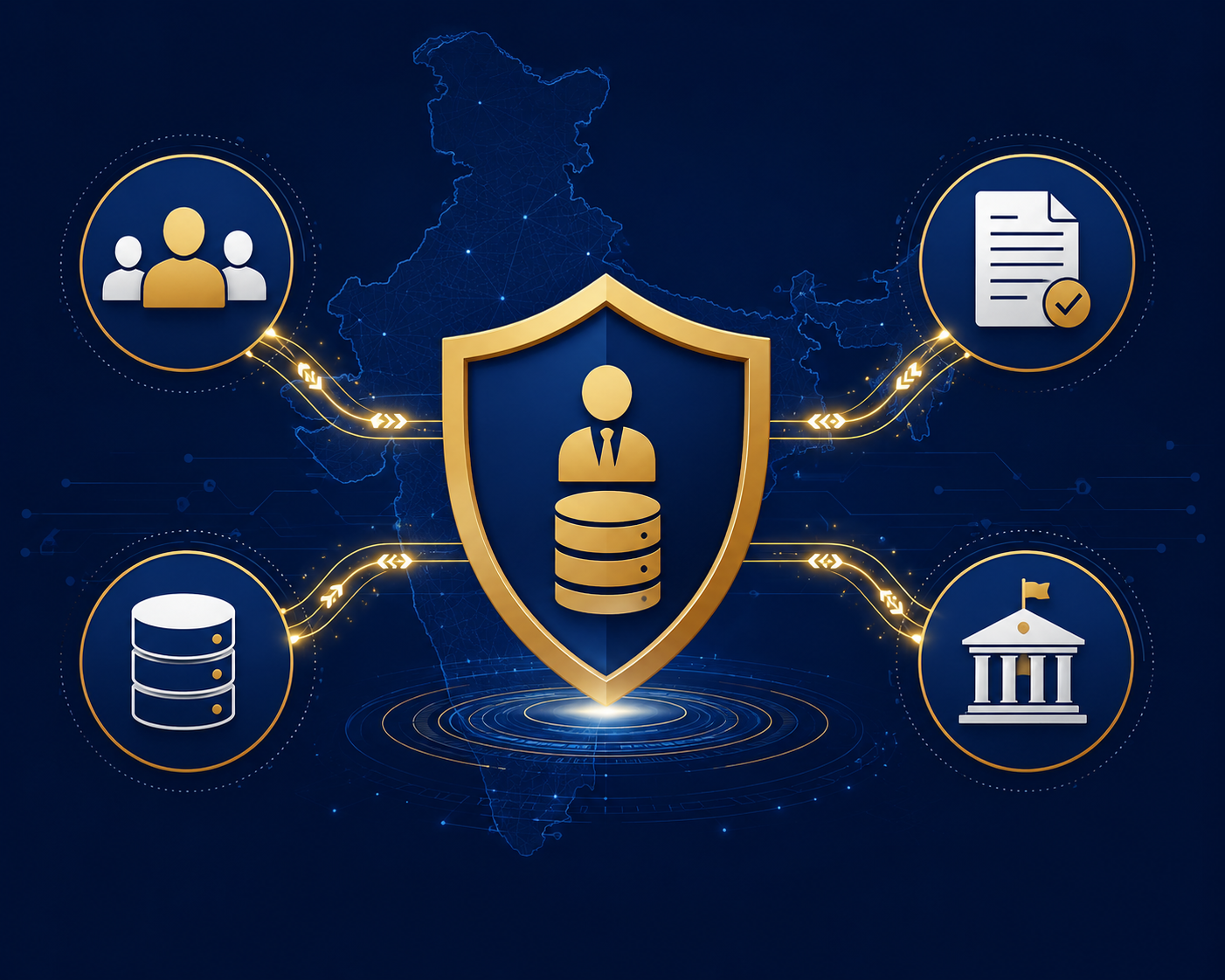
Collaborative Blockchain Cybersecurity introduces a trustless framework in which nodes across ecosystems share verified threat intelligence through consensus-based mechanisms. Instead of maintaining isolated blacklists or relying on slow manual reporting, decentralized threat-sharing networks provide structured, tamper-proof, and instant alert systems that benefit all participants.
Secure Watch by SecureDApp demonstrates this proactive vision. It continuously scans blockchain networks, detects anomalous behaviors, identifies smart contract vulnerabilities, and promptly alerts participating platforms before a threat escalates. As a result, ecosystems respond faster and prevent widespread damage.
These models rely on:
- Blockchain-based telemetry
- Cryptographic proofs of attack signatures
- Automated risk classification
- Permissioned or permissionless alert propagation
Together, these components create a collective defense system where no central administrator controls threat flagging, a structure that enhances resilience and transparency.
The Core Components of a Decentralized Threat Sharing Model
A scalable decentralized cybersecurity network thrives on several foundational elements:
1. Identity & Trust Frameworks
Without centralized control, participant nodes must establish mutual trust through decentralized identities (DIDs), verifiable credentials, and reputation scoring. This structure prevents malicious actors from injecting false or manipulative reports.
2. Real-time Threat Intelligence Feeds
Smart contract exploits spread within minutes. Therefore, an effective model distributes indicators of compromise such as malicious contract addresses or suspicious transaction patterns, in real time.
3. On-chain Incentive Mechanisms
Crypto-economic incentives motivate contributors to submit accurate and verified intelligence. Governance tokens or utility credits reward consistent and high-quality data contributions.
4. Privacy-preserving Data Sharing
Technologies such as zero-knowledge proofs, differential privacy, and homomorphic encryption enable transparent threat disclosure while protecting sensitive information.
Use Case: Smart Contract Vulnerabilities and Response Time
Smart contracts remain prime targets for attackers due to logic flaws, misconfigurations, and poor access controls. Traditional audits offer limited post-deployment protection, which often results in delayed threat detection.
Solidity Shield from SecureDApp addresses this gap. It provides continuous auditing of smart contracts even after deployment. When integrated into a decentralized threat-sharing ecosystem, it instantly broadcasts vulnerability signatures to the network. As a result, platforms can neutralize threats before funds are compromised.
For example, if Platform A identifies a vulnerability in a token contract, it can immediately push this insight to Platforms B, C, and D. If similar patterns appear elsewhere, these platforms can freeze assets or activate circuit breakers, drastically reducing potential losses.
External Collaboration and Regulatory Relevance
A decentralized threat model grows stronger when it collaborates with global cybersecurity networks. Integrations with tools like MITRE ATT&CK allow platforms to map adversarial patterns effectively. Additionally, collaborations with auditing firms, public blockchains, and law enforcement foster greater legitimacy and deterrence.
Governments worldwide are intensifying regulatory oversight over Web3 ecosystems. Therefore, platforms that adopt transparent, decentralized cyber-defense systems demonstrate responsibility and compliance readiness- attributes that build investor trust and regulatory goodwill.
For deeper insight into India’s cyber landscape, the Observer Research Foundation report highlights how public-private threat intelligence synergy strengthens national digital resilience. The blockchain sector can learn significantly from these models and adapt them to decentralized networks.
Barriers and the Path Forward
Despite its strong potential, decentralized cybersecurity faces critical challenges:
- Lack of Standardization: The industry must create unified detection schemas and formatting protocols.
- Scalability Issues: Real-time threat data can overwhelm blockchain networks; thus, Layer 2 and off-chain processing become essential.
- Incentive Misalignment: Without robust tokenomics, stakeholders may hoard intelligence to gain competitive advantage.
To move forward, the industry must prioritize open standards, collaborative frameworks, and neutral governance structures. DAOs can effectively manage participation, distribute rewards, and resolve disputes.
SecureDApp’s Role in the Future of Blockchain Cybersecurity
SecureDApp stands at the forefront of this shift. Secure Watch delivers real-time on-chain surveillance, while Solidity Shield offers live smart contract protection, forming two critical pillars of collaborative cybersecurity.
Furthermore, SecureDApp focuses on automation, AI-driven analysis, decentralized intelligence, and seamless DevSecOps integration. These strengths position SecureDApp not only as a solution provider but as a catalyst driving the transition toward collective, decentralized cyber defense.
Conclusion
As Web3 expands into finance, governance, and social infrastructure, the need for Collaborative Blockchain Cybersecurity intensifies. Relying solely on isolated audits or post-incident investigations is no longer viable. Instead, decentralized ecosystems require a collective immune system- one that learns continuously, evolves rapidly, and responds instantly.
Ultimately, decentralized threat sharing is not just about exchanging data; it’s about building trust without central authorities. And this trustless collaboration defines the future of blockchain security.
To stay ahead of emerging threats, adopt forward-looking platforms like SecureDApp and join a cybersecurity model built on transparency, collaboration, and resilience.
FAQs
1. What is collaborative blockchain cybersecurity?
Collaborative blockchain cybersecurity is a decentralized security approach where blockchain networks, security providers, developers, and organizations securely share verified threat intelligence in real time. This collective defense model helps identify attacks faster and reduces the impact of exploits across the Web3 ecosystem.
2. Why is decentralized threat sharing becoming important in 2026?
As blockchain applications become more interconnected through Layer-2 networks, cross-chain bridges, and tokenized assets, cyber threats spread much faster than before. Decentralized threat-sharing allows security teams to distribute verified indicators of compromise instantly, improving detection speed and minimizing ecosystem-wide damage.
3. How does AI improve decentralized blockchain security?
AI enhances collaborative cybersecurity by analyzing large volumes of blockchain transactions, detecting abnormal wallet behavior, identifying exploit patterns, and prioritizing security alerts. When combined with decentralized threat intelligence, AI significantly reduces response times and improves threat prediction.
4. Can collaborative cybersecurity prevent every blockchain attack?
No. While collaborative cybersecurity cannot eliminate every threat, it greatly improves early detection, incident response, and ecosystem resilience. Combined with smart contract audits, runtime monitoring, secure coding practices, and governance controls, it provides a much stronger security posture than isolated defenses alone.
5. What role does SecureDApp play in collaborative blockchain security?
SecureDApp supports collaborative blockchain security through solutions like Secure Watch, which continuously monitors blockchain activity for suspicious behavior, and Solidity Shield, which identifies vulnerabilities through professional smart contract audits. Together, these tools help projects detect threats earlier, reduce security risks, and improve overall blockchain resilience.