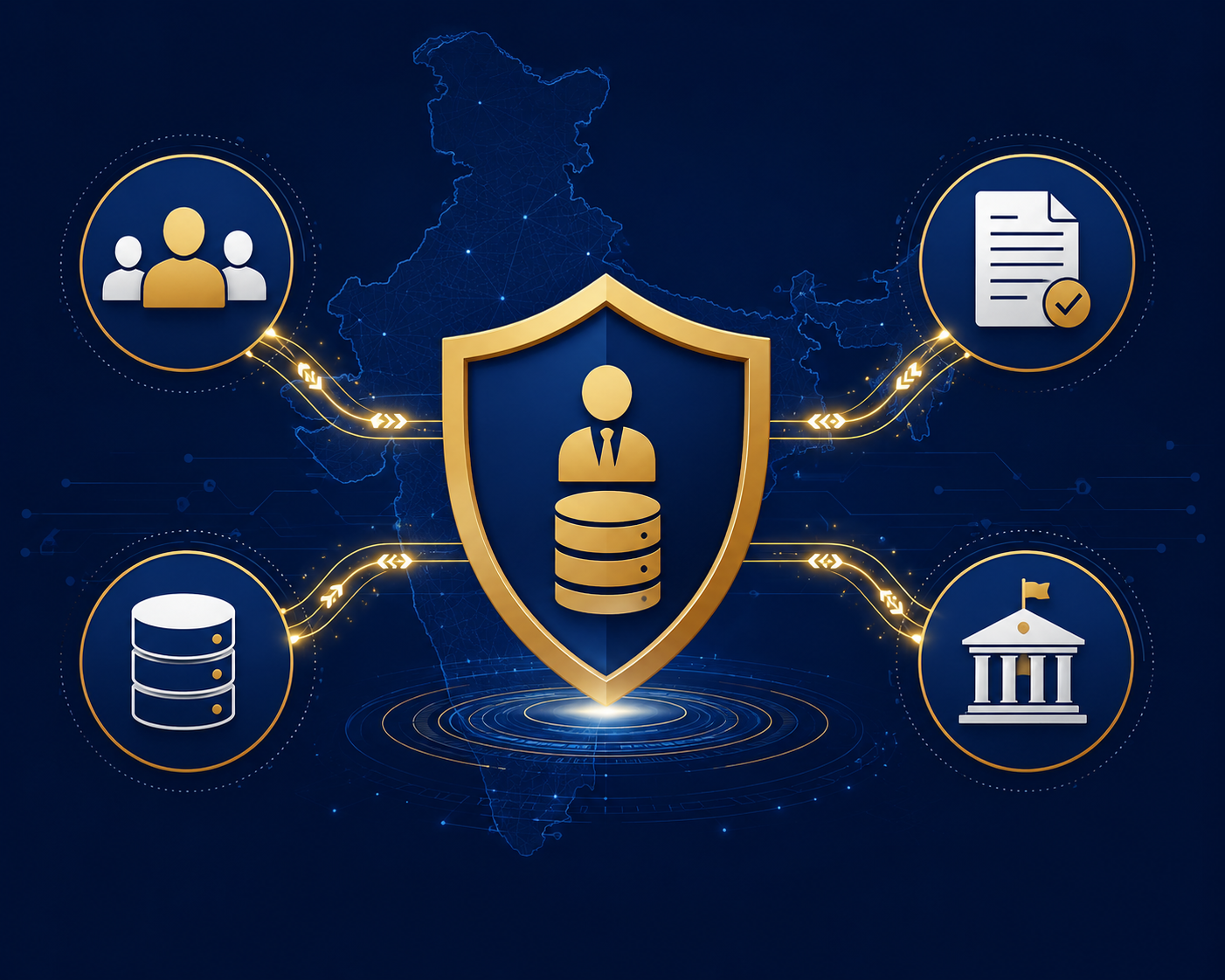

As Web3 applications become more autonomous, security challenges are evolving just as quickly. AI-powered agents can now execute transactions, manage digital assets, participate in governance, and interact with smart contracts without constant human oversight. While this automation unlocks new possibilities, it also creates new attack surfaces that traditional security operations are not designed to handle. This is where Web3 Agentic AI Security and SOC modernization become essential. By combining continuous blockchain monitoring, intelligent threat detection, secure smart contract development, and AI-driven security operations, organizations can protect autonomous systems against increasingly sophisticated threats. This article explores how modern Security Operations Centers (SOCs) are adapting to the Web3 era and the security practices needed to build resilient autonomous ecosystems.
Web3 Agentic AI Security Explained
Web3 Agentic AI Security weaves together decentralized protocols with self governing models that secure asset transfers and data flows. Agents interact with smart contracts on public blockchains and leverage oracles to fetch external data creating new attack surfaces. Vulnerabilities in code and data feeds enable adversaries to hijack automated workflows or drain liquidity pools in minutes. A comprehensive framework captures threat intelligence at every stage from code compilation through runtime execution. For an internal perspective on embedding risk assessment into AI driven systems read our latest guide at SecureDApp .
Why Autonomous Systems Demand Stronger Defense
Autonomous systems powered by agentic AI perform complex tasks such as liquidity provisioning governance voting and cross chain arbitrage without manual oversight. Trustless consensus ensures settlement integrity yet adversaries feed manipulated market data or launch consensus faults that cascade through agent networks. Real time detection of anomalies in transaction patterns and network telemetry becomes critical. Secure Watch continuously monitors blockchain transactions node health and contract interactions to alert teams about suspicious behavior before financial damage occurs.
SOC Modernization with Web3 Agentic AI Security
Traditional Security Operations Centers focus on perimeter security and rule based detections that fall short in decentralized networks. Modern SOC modernization embraces threat centric design that ingests logs from smart contracts node operations and agent decision records. Integration with SIEM platforms correlates on chain events with off chain user activities delivering rich context for investigations. SOC analysts trained in blockchain forensics and machine learning based agent behavior analytics accelerate incident response across distributed environments.
Integrating SecureDApp Solutions for Defense in Depth
SecureDApp products extend SOC capabilities into Web3 without sacrificing speed or agility. Solidity Shield audits smart contracts using static analysis formal verification and symbolic execution to uncover reentrancy flaws misconfigured access controls or logic errors. By publishing audit reports on chain teams demonstrate transparency and build user trust. Secure Watch brings continuous threat monitoring ingesting blockchain data streams and applying advanced behavioral analytics to surface zero day exploits or node anomalies. Combined these products create a layered defense that prevents attacks and streamlines remediation.
Best Practices for Securing Agentic AI
Implementing Web3 Agentic AI Security demands a strong foundation. First all smart contracts require third party audits prior to mainnet deployment. Second agent decision logs must be recorded immutably on chain to support forensic analysis and compliance reviews. Third continuous red teaming simulates adversarial scenarios targeting agent algorithms uncovering logic flaws data poisoning or collusion risks. Fourth vulnerability disclosure programs incentivize developers and researchers to report issues early promoting a security first culture. Fifth teams maintain a tailored incident response playbook that defines roles and actions when autonomous agents deviate from expected behavior.
Key Components of an Autonomous Threat Defense Stack
Bullet point breakdown of essential elements that support Web3 Agentic AI Security
– Immutable audit trails capturing every agent action and smart contract call
– Machine learning classifiers trained on normal transaction patterns
– Real time anomaly detection agents monitoring both on chain and off chain telemetry
– Automated response playbooks triggered when thresholds are breached
– Integration with API gateways and Web3 nodes for deeper traffic analysis
These components enable continuous posture assessment and rapid containment of emerging threats ensuring resilient operations.
External Standards and Industry Guidance
Staying current with evolving threat landscapes requires alignment to industry standards. The National Institute of Standards and Technology publishes recommendations for securing both artificial intelligence and blockchain infrastructures at NIST and offers guidelines for digital identity and cryptographic controls. Academic research at leading conferences explores decentralized anomaly detection frameworks and federated learning defenses that inform next generation agentic AI security models.
Future Trends in Web3 Agentic AI Security
Emerging trends will shape the security of autonomous systems over the next decade. Zero trust models adapt to decentralized contexts by requiring continuous verification of agent identities before transaction execution. Federated and swarm learning techniques enable collaborative threat intelligence sharing without exposing sensitive data. Quantum resistant cryptography becomes critical as quantum computing advances threaten current key algorithms. Policy and governance frameworks for autonomous AI systems will evolve placing new compliance demands on Security Operations Centers and development teams.
Conclusion
Web3 Agentic AI Security Autonomous Systems & SOC Modernization demands a blend of preventive auditing continuous monitoring and rapid incident response tailored to decentralized environments. Modern Security Operations Centers must integrate blockchain telemetry machine learning analytics and adaptive playbooks to keep pace with autonomous workflows. Leveraging SecureDApp for proactive threat detection and deep smart contract auditing organizations build a defense in depth posture that secures innovation. Embracing these strategies today lays the groundwork for a trustworthy decentralized tomorrow.
Frequently Asked Questions (FAQs)
1. What is Web3 Agentic AI Security?
Web3 Agentic AI Security refers to protecting AI-powered autonomous agents that interact with blockchain networks, smart contracts, decentralized applications (dApps), and digital assets. It combines blockchain security, artificial intelligence, identity verification, and continuous monitoring to reduce the risk of attacks.
2. Why do autonomous AI systems create new security risks?
Autonomous agents can execute transactions, make decisions, and interact with multiple blockchain protocols without human approval. If compromised through vulnerable smart contracts, manipulated data feeds, or stolen credentials, attackers can exploit these systems to perform unauthorized actions at scale.
3. How are Security Operations Centers (SOCs) evolving for Web3?
Modern Web3 SOCs monitor blockchain transactions, smart contract activity, node behavior, wallet interactions, and decentralized infrastructure alongside traditional security logs. They also use AI-powered analytics and blockchain forensics to identify suspicious activity in real time.
4. Why are smart contract audits important for autonomous systems?
Smart contracts define how autonomous agents operate. A security flaw in the contract can allow attackers to manipulate transactions, bypass access controls, or drain digital assets. Comprehensive audits help identify vulnerabilities before deployment and reduce the risk of exploitation.
5. What role does continuous monitoring play in Web3 security?
Continuous monitoring enables organizations to detect abnormal blockchain activity, suspicious wallet behavior, unusual contract interactions, and emerging threats as they happen. Early detection allows security teams to investigate incidents before they escalate into major attacks.