
Introduction
As decentralized finance (DeFi) continues to mature in 2026, security remains the foundation of sustainable blockchain innovation. Securing the Future of Finance: Insights from Dr. Nikhil Varma highlights the key lessons from the SecureDApp Bharat Security Initiative (SBSI), where Dr. Varma shared practical strategies for building secure, transparent, and inclusive financial systems. From smart contract security and decentralized identity to AI-powered threat detection and responsible governance, this session demonstrates why security must be integrated into every stage of Web3 development. In this article, we explore the webinar’s most valuable insights and the best practices that can help developers, businesses, and investors strengthen the future of decentralized finance.
DeFi as a Tool for Financial Justice
Dr. Varma began by re-centering the conversation around DeFi’s core promise: financial inclusion and justice. Rather than treating blockchain as a speculative playground, he framed it as a tool that could “leapfrog” traditional banking infrastructure to serve the 1.7 billion unbanked adults globally. With 1.1 billion of them owning mobile phones, DeFi can deliver basic financial services savings, lending, payments to those long excluded by legacy institutions.
This vision sees blockchain as an equalizer. By giving individuals control over their digital identities and assets, DeFi creates a world where ownership of a private key, not paperwork, is enough to participate in the global economy.
The Dark Side: Risks and Realities of Web3
But with this power comes risk. Dr. Varma noted that $3.8 billion was stolen through crypto hacks in the last year alone, with 82% of that hitting DeFi protocols. From smart contract exploits to oracle manipulations, the threat landscape is wide and evolving fast.
One example was the $117 million drained from Mango Markets via a flash-loan-fueled oracle attack. The notorious 2016 DAO hack, which cost $60 million, also served as a cautionary tale of how small bugs in immutable code can cause irreversible damage.
Beyond code, human vulnerabilities like phishing attacks and rug pulls make this sector even more treacherous. The combination of pseudonymous participation and global access magnifies both opportunity and threat.
Layered Defense: A Security-First Philosophy
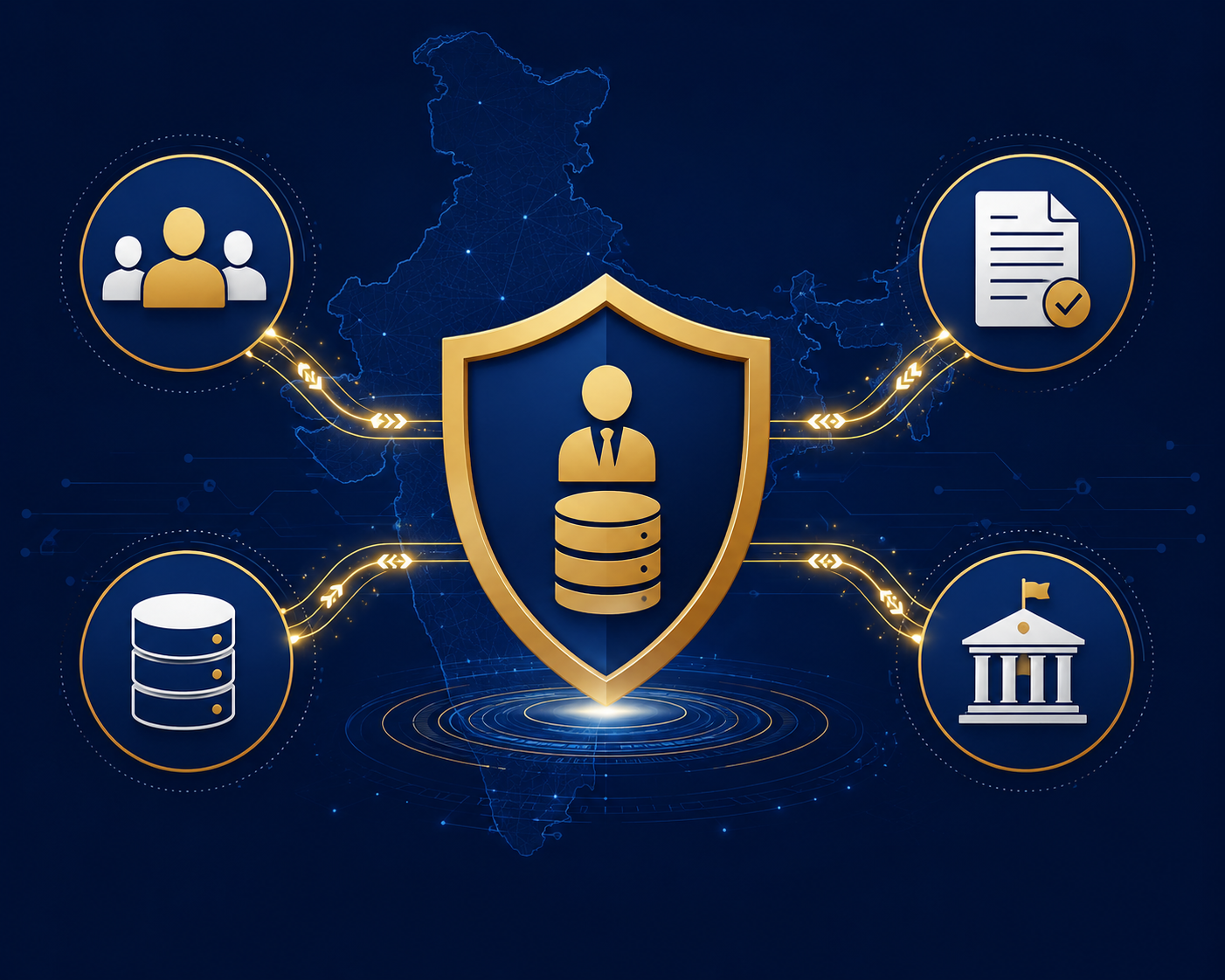
Dr. Varma’s philosophy is clear: security must be baked in from day one. He outlined a multi-layered security model, encompassing everything from identity management to protocol governance.
Securing Digital Identity in Web3
Varma emphasized the value of Decentralized Identifiers (DIDs). These systems let users control their credentials, reducing dependency on centralized databases and minimizing identity theft. Blockchain-powered IDs can help bridge regulatory compliance (like KYC) with privacy, especially when combined with zero-knowledge proofs and multi-factor cryptographic keys.
SecureDApp’s ecosystem contributes to this vision with products like Secure Watch , which offer real-time monitoring for blockchain vulnerabilities a foundational tool for any platform seeking to protect user identities and detect suspicious activities across chains.
Smart Contract Safety: Code as a Vault
At the core of DeFi lies the smart contract. As Dr. Varma put it, “every line of code is a potential bomb.” He urged teams to adopt patterns like Checks-Effects-Interactions, avoid arithmetic bugs via vetted libraries, and embrace formal verification mathematical proofs that confirm contracts behave as intended.
Just as developers rely on Solidity Shield from , SecureDApp for smart contract auditing, the industry as a whole must treat professional audits and bug bounty programs as non-negotiable. Audits by trusted firms like CertiK or Quantstamp are now seen as essential, not optional.
“Better to find a flaw on testnet than lose millions on mainnet,” Dr. Varma noted.
Mitigating Oracle and Governance Exploits
Smart contracts often rely on external data through oracles, but centralized oracles pose major risks. The infamous bZx exploit demonstrated how a manipulated price feed can cause massive fund losses. Dr. Varma advised using decentralized oracle networks like Chainlink and aggregating data sources to eliminate single points of failure.
Governance is another critical vector. He highlighted the Beanstalk DAO incident, where attackers hijacked a proposal vote and stole $181 million. Key protections include:
– Multi-signature wallets for treasury operations
– Time delays on governance changes
– Emergency circuit breakers
Just like multi-factor authentication secures user accounts, these tools provide institutional-level safeguards for community protocols.
AI and Real-Time Threat Detection
Looking ahead, AI is becoming a key player in blockchain security. Machine learning models can scan transactions at scale, flag anomalies, and even auto-audit smart contracts. Tools like Slither and MythX, when paired with AI enhancements, offer real-time threat identification.
As one industry expert notes, AI excels at predictive analysis, making it invaluable for preempting phishing attacks, fraud patterns, and exploit campaigns.
Yet, Dr. Varma cautioned against overreliance: “AI augments human auditors it doesn’t replace them.” A hybrid model, combining algorithmic detection with expert scrutiny, is emerging as the gold standard.
DeFi Insurance and Regulatory Pathways
Dr. Varma also explored emerging forms of on-chain insurance, such as Nexus Mutual and Cover Protocol. These platforms allow users to pool funds and vote on claim reimbursements post-exploit a decentralized twist on traditional risk management.
Although still nascent, this model shows promise in covering smart contract failures, stablecoin de-pegs, and even systemic crashes. However, challenges around liquidity, regulation, and claim disputes remain.
On the regulatory front, Dr. Varma called for balanced oversight. While protecting consumers and blocking illicit finance are vital, overregulating decentralized protocols could suffocate innovation. Instead, regulators should target real chokepoints fiat bridges, custodians, and KYC points and support smart, collaborative frameworks.
India is moving in that direction, with a comprehensive crypto policy paper expected soon. This signals growing maturity in how nations approach DeFi and blockchain integration.
Prevention Over Cure: The Golden Rule of DeFi Security
Throughout his address, Dr. Varma returned to one key theme: build it right first. Once a smart contract is deployed, patching flaws is almost impossible. That’s why secure design, formal verification, decentralized identity, oracle hardening, and proactive governance must all be in place from the beginning.
Red flags, he warned, should not be ignored. Projects with no public audits, excessive admin privileges, or anonymous developers are red alerts just as a building with no fire exits or cameras signals risk.
In Varma’s words: “A smart contract is a sealed vault. Make sure there are no cracks before you shut the door.”
Final Thoughts: Building a Resilient Financial Future
As Web3 reshapes the financial landscape, securing that future is not a luxury, it’s a necessity. Dr. Nikhil Varma’s insights offer a comprehensive playbook for how developers, platforms, and regulators can work together to balance innovation with protection.
By embracing products like Secure Watch and Solidity Shield, adopting multi-layered defenses, integrating AI responsibly, and pushing for thoughtful regulation, the DeFi space can evolve into a trusted, inclusive alternative to traditional finance.
The future of finance is decentralized, but it must also be secure by design.
FAQs
1. Who is Dr. Nikhil Varma, and what was the focus of his SBSI session?
Dr. Nikhil Varma shared practical insights on securing decentralized finance by emphasizing smart contract security, decentralized identity, governance, AI-assisted threat detection, and responsible blockchain innovation.
2. Why is security critical for DeFi projects in 2026?
As DeFi adoption grows, cyber threats such as smart contract exploits, phishing attacks, oracle manipulation, and governance attacks continue to evolve. Building security into every development stage helps protect users and digital assets.
3. How can developers improve blockchain security?
Developers should conduct professional smart contract audits, implement secure coding practices, use decentralized oracle solutions, monitor protocols continuously, and perform regular security testing before deployment.
4. What role does AI play in blockchain security?
AI helps identify suspicious transactions, detect abnormal network activity, automate vulnerability analysis, and improve incident response, allowing security teams to react more quickly to emerging threats.
5. What is the biggest takeaway from Dr. Varma’s webinar?
The key message is that blockchain security should be built into every layer of a project from design and development to deployment and ongoing monitoring rather than being treated as an afterthought.