
Introduction
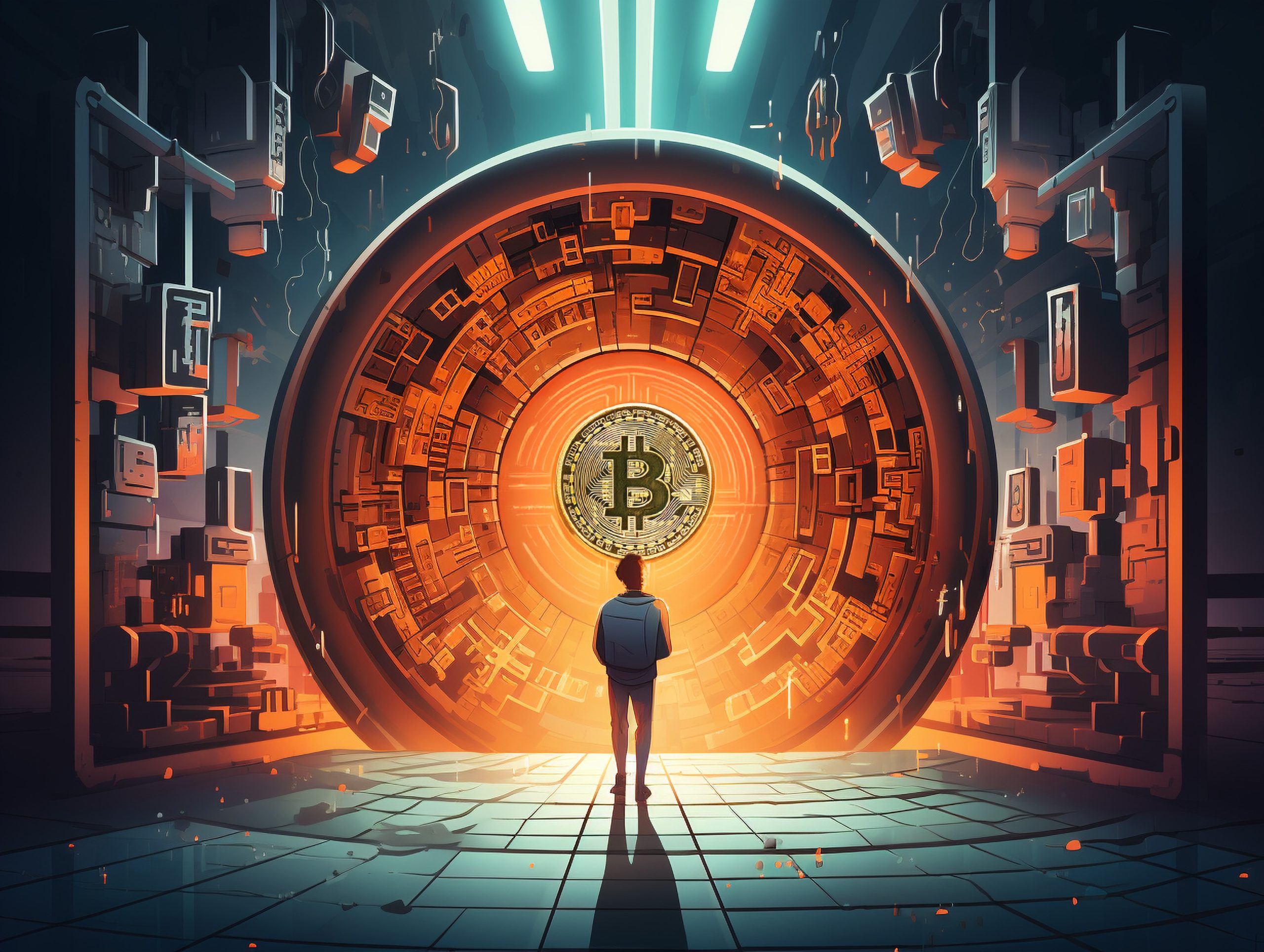
As decentralized finance (DeFi) continues to evolve in 2026, investors face more opportunities and more sophisticated risks than ever before. From cross-chain protocols and liquid staking to AI-powered DeFi applications and tokenized real-world assets, the ecosystem has become increasingly complex. While innovation continues at a rapid pace, smart contract exploits, governance attacks, liquidity risks, and regulatory uncertainty remain significant concerns. This guide provides a practical DeFi risk assessment checklist to help investors evaluate projects, identify red flags, and make informed investment decisions using proven security practices and modern blockchain monitoring tools.
Understanding DeFi Risk Landscape in 2025
Decentralized finance has grown beyond simple token swaps to complex lending yield farming and insurance protocols. Increased sophistication means more attack surfaces and novel vulnerabilities. Regulatory scrutiny across multiple jurisdictions adds compliance risk that can impact token listings and platform operations in unpredictable ways. Market sentiment swings driven by social media can lead to rapid price spikes or dumps. Anyone preparing to invest in DeFi must start by mapping the risk landscape and staying up to date with protocol developments news and community discussions.
Assessing Smart Contract Security
Smart contract vulnerabilities remain one of the primary causes of major DeFi hacks. Investors need to verify that a project’s code has undergone rigorous third party audit processes. Solidity Shield from SecureDApp provides independent smart contract audit services backed by on chain vulnerability scanners and manual expert review. A detailed audit report highlights reentrancy issues integer overflows and other exploits. Reviewing audit summaries and verifying that remediation steps were completed reduces the chance of catastrophic failures.
Evaluating Platform Transparency and Governance
Protocols that publish clear technical documentation open governance frameworks and regular on chain activity reports tend to inspire greater confidence. Projects that conduct community voting through decentralized autonomous organizations demonstrate aligned incentives among token holders. Governance proposals should be accessible on chain and vetted by reputable delegates. Look for teams that maintain active developer repositories and communicate roadmap milestones through blog updates or social channels This level of transparency builds trust and helps investors track progress against stated goals For broader industry perspective refer to latest insights at CoinDesk.
Checking Liquidity and Market Risks
High liquidity ensures that trading large positions does not significantly move prices. Investors should review total value locked metrics market depth data and order book activity if available. Fragmented liquidity across multiple chains can lead to slippage or failed transactions. Impermanent loss remains a concern for liquidity providers in automated market maker pools. Analyze historical volatility and simulate potential loss scenarios under adverse market moves before committing capital.
Analyzing Counterparty and Operational Risks
Not all DeFi platforms are fully decentralized in practice Some rely on multisig wallets or guardian keys for upgrades and emergency stops. Assess the number of signers their geographic distribution and the governance rules governing emergency access. Centralized parts of a protocol can create single points of failure. Teams with clear operational security policies public key management practices and incident response plans are better positioned to handle crises without user funds being at risk.
Using Advanced Monitoring Tools for Continuous Assessment
Continuous monitoring allows investors to spot emerging threats in real time. Secure Watch by SecureDApp offers on chain anomaly detection alerting and dashboard views of protocol health metrics. Automated alerts can notify users of large token transfers unusual contract calls or governance changes. Integrating these notifications into a personal workflow ensures that potential issues are flagged early giving investors time to exit positions or further investigate before losses occur.
Building a Diversified DeFi Portfolio
Diversification remains a fundamental principle in finance and applies equally in DeFi. Spreading investments across lending platforms automated market makers and insurance protocols reduces exposure to any single point of failure. Include blue chip projects with high audit standards and proven track records alongside smaller high reward opportunities balanced by higher risk. To learn more about trading on decentralized exchanges check out our guide on decentralized exchanges.
Conclusion
Conducting a DeFi risk assessment before investing in 2025 demands a holistic approach. From smart contract security audits with tools like Solidity Shield to continuous monitoring using Secure Watch and rigorous evaluation of governance market liquidity and counterparty controls each step builds layers of defense. Staying informed through trusted news outlets and internal resources strengthens your ability to make data driven decisions and safeguard your capital as the DeFi ecosystem continues to expand.
FAQs
1. What is a DeFi risk assessment?
A DeFi risk assessment is the process of evaluating a protocol’s smart contract security, governance, liquidity, tokenomics, operational practices, and overall reliability before investing.
2. Why is smart contract security important in DeFi?
Smart contracts manage user funds automatically. A single coding vulnerability can result in exploits, asset theft, or permanent loss of funds, making security audits essential.
3. What are the biggest risks in DeFi in 2026?
The biggest risks include smart contract exploits, bridge vulnerabilities, governance attacks, oracle manipulation, liquidity shortages, phishing scams, and regulatory uncertainty.
4. How can investors reduce DeFi investment risk?
Choose projects with recent security audits, transparent teams, active communities, diversified liquidity, continuous blockchain monitoring, and well-documented governance processes.
5. Which tools help monitor DeFi risks after investing?
Real-time blockchain monitoring platforms like Secure Watch, along with smart contract audit services such as Solidity Shield, help investors track suspicious activity, detect vulnerabilities, and stay informed about potential security threats throughout a protocol’s lifecycle.