
Introduction
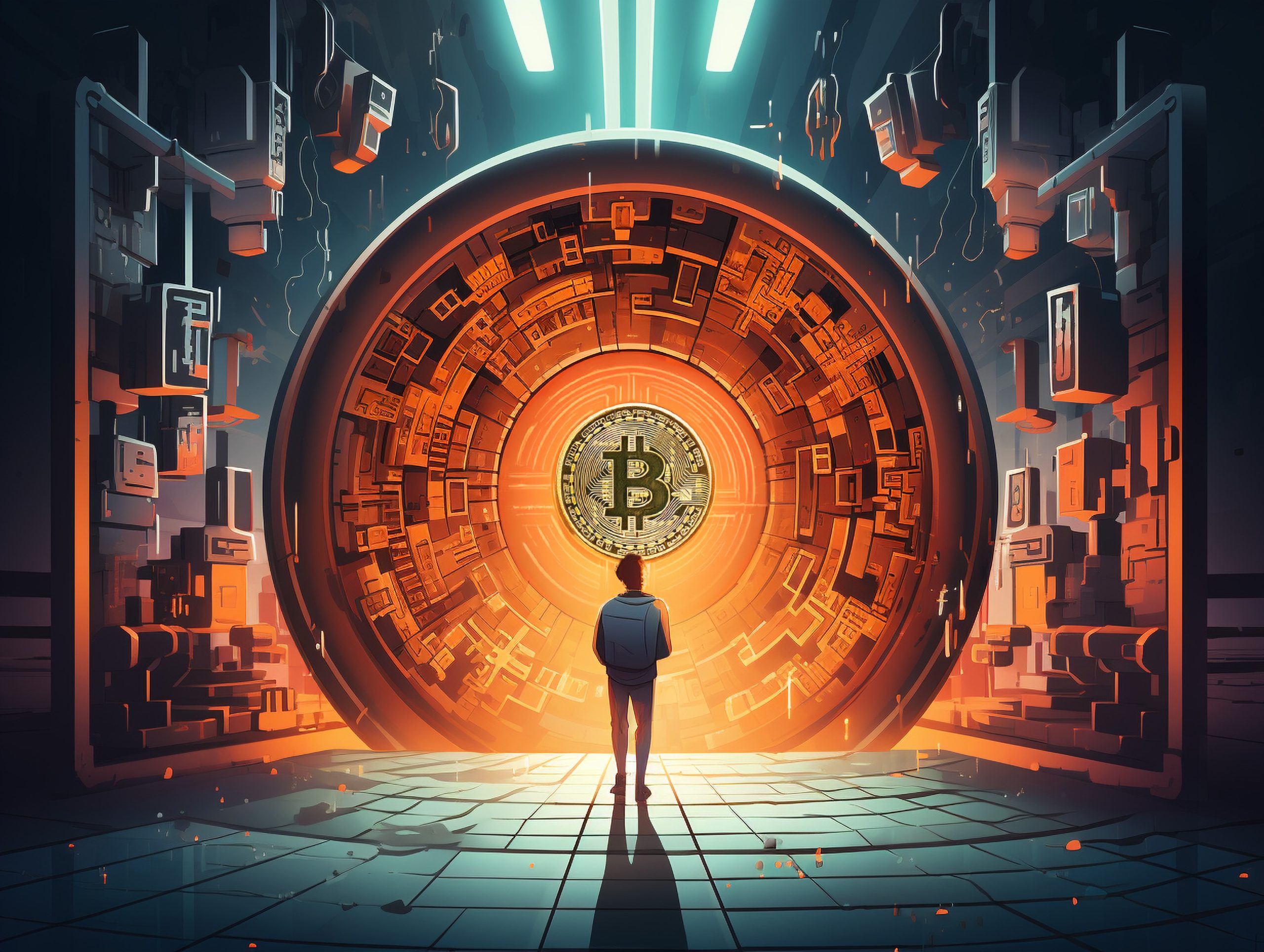
The crypto market continues to evolve rapidly in 2026, with new technologies, institutional participation, and regulatory developments shaping where retail investors are focusing their attention. From AI-powered blockchain applications and tokenized real-world assets to Layer-2 ecosystems and decentralized social platforms, emerging narratives are driving the next wave of Web3 adoption.
In this guide, we explore the top 7 crypto narratives capturing retail interest in 2026, why these trends matter, and how investors can identify opportunities while staying aware of the security and market risks that come with fast-growing sectors.
1. AI-Powered Crypto Solutions
Artificial Intelligence in crypto is no longer an experimental novelty it’s an active driver of on-chain innovation. AI is now deeply integrated into trading algorithms, decentralized security monitoring, NFT creation, and even governance voting systems. These solutions enable faster, data-driven decision-making and open up new forms of value creation.
For example, AI-powered bots can scan vast blockchain datasets to detect abnormal transaction patterns, helping prevent rug pulls and scams. Platforms like SecureDApp’s Secure Watch use AI to monitor blockchain threats in real time, alerting both developers and investors before an exploit becomes catastrophic.
Retail attention here is fueled by two forces: the mainstream fascination with AI and the potential for AI-crypto hybrids to solve blockchain’s most pressing problems. This synergy has sparked surging trading volumes in AI-related tokens, with some coins experiencing double-digit daily gains during hype cycles.
2. Real-World Asset Tokenization (RWA)
Real-world asset tokenization is making headlines again, and this time adoption looks more sustainable. RWAs allow physical assets like gold, real estate, and art to be represented as digital tokens on the blockchain. These tokens can be traded 24/7, split into fractional shares, and stored securely without the need for traditional intermediaries.
For retail investors, RWA projects offer something tangible in a market often criticized for being purely speculative. Tokenization enables fractional ownership of assets that were previously out of reach for most individuals imagine owning a fraction of a Manhattan skyscraper or a piece of a Picasso painting.
Institutional backing is growing, with banks and asset managers piloting RWA platforms. This institutional interest boosts credibility and attracts retail capital. As governments refine regulations for asset-backed tokens, more investors are likely to join the space.
3. Layer-2 Scaling Solutions
Ethereum remains the backbone of the DeFi and NFT ecosystems, but its network fees and congestion have long been bottlenecks. Enter Layer-2 scaling solutions, which promise faster, cheaper transactions without compromising security. Technologies like zk-Rollups and Optimistic Rollups are enabling applications to handle thousands of transactions per second at a fraction of the cost.
Layer-2 adoption is surging as more DeFi protocols, NFT marketplaces, and even metaverse projects migrate to these networks. For developers, this shift opens the door to creating user-friendly dApps that can compete with Web2 platforms in speed and cost-effectiveness.
However, speed should not come at the cost of safety. Smart contract vulnerabilities remain a threat, which is why auditing services like Solidity Shield are critical in this space. Retail investors are becoming more aware of the need for audited projects, especially as scams in high-speed environments can drain wallets in minutes.
4. On-Chain Social Media Platforms
SocialFi, the combination of social media and decentralized finance, is changing how people think about content ownership and monetization. Instead of relying on ad-driven revenue models, these platforms reward users directly with tokens for posting, engaging, and building communities.
For retail investors, on-chain social media offers two attractive features: earning potential and early adoption opportunities. Getting in early on a SocialFi platform can be similar to being an early YouTuber or TikTok creator except the tokens you earn have direct market value.
Some platforms are integrating NFTs as digital identity badges, giving creators and followers verifiable proof of authenticity. This also creates secondary market activity, further engaging retail investors who want to speculate on creator tokens or collectible content.
5. Gaming and Metaverse Expansion
Gaming has always been a natural fit for blockchain due to its emphasis on digital assets. The current trend in H2 2025 is a shift from the unsustainable “play-to-earn” model to “play-and-own ecosystems”. Players can buy, earn, and trade in-game assets that hold value across multiple games and platforms.
Retail interest in gaming tokens is often driven by community hype, influencer endorsements, and the potential for mass adoption by mainstream gamers. High-profile partnerships between game studios and blockchain networks are adding legitimacy to the sector.
The metaverse is also experiencing a revival, with more immersive graphics, VR integration, and real-world business use cases like virtual events and remote workspaces. As metaverse economies grow, so does the opportunity for retail traders to invest in associated tokens and land assets.
6. Privacy and Security Enhancements in DeFi
The rapid evolution of DeFi has made it one of the most lucrative but risky sectors in crypto. Hacks, phishing scams, and flash loan exploits continue to cost investors billions. In response, the DeFi narrative in H2 2025 is shifting toward enhanced security and privacy features.
Retail investors are becoming increasingly conscious of the need for secure protocols. Platforms that can demonstrate proactive threat monitoring, robust audits, and user-friendly safety tools are gaining market share. Products like Secure Watch are leading this shift by providing real-time monitoring for suspicious transactions and contract vulnerabilities.
Privacy coins and zero-knowledge proof integrations are also on the rise, offering users more control over their financial data. This aligns with the broader push for digital self-sovereignty.
7. Regulatory Clarity and Global Adoption
Perhaps the most significant change in the crypto landscape this year is the wave of regulatory clarity emerging across multiple jurisdictions. Countries that were previously hesitant are now introducing clear frameworks for crypto taxation, trading, and stablecoin issuance.
Retail investors benefit from these regulations because they reduce the risk of sudden bans or crackdowns. Clear rules also attract institutional investors, which can create a more stable market environment.
Global adoption is accelerating through integrations with payment processors and fintech apps, allowing people to spend crypto as easily as they use fiat. In regions with unstable local currencies, crypto is becoming a practical tool for saving and remittance.
Why These Narratives Matter for Retail Investors
These seven narratives represent the convergence of technology, regulation, and user demand. For retail investors, they are more than just investment themes they are entry points into the next evolution of the internet and finance.
AI tools are making crypto safer, RWAs are bringing the physical and digital worlds together, Layer-2s are making blockchain scalable, and SocialFi is transforming content monetization. Gaming and the metaverse are expanding digital economies, DeFi security is maturing, and regulatory frameworks are paving the way for broader adoption.
For those looking to explore these trends while minimizing risks, platforms like SecureDApp offer crucial tools. From blockchain threat detection to smart contract auditing, these services help ensure your crypto journey is built on a foundation of trust and safety.
FAQs
1. What are the biggest crypto narratives attracting retail investors in 2026?
Some of the leading narratives include AI-powered blockchain applications, Real-World Asset (RWA) tokenization, Layer-2 scaling solutions, SocialFi, blockchain gaming, DeFi security, and increasing institutional adoption.
2. Why are Real-World Assets (RWAs) gaining popularity?
RWAs allow physical assets like real estate, government bonds, and commodities to be tokenized, making them easier to trade, own fractionally, and access through blockchain technology.
3. Why are Layer-2 networks important for crypto adoption?
Layer-2 solutions reduce transaction fees, increase network speed, and improve scalability, making blockchain applications more practical for everyday users and businesses.
4. How can retail investors reduce risks when following new crypto trends?
Investors should research projects carefully, verify smart contract audits, understand token utility, diversify investments, and use trusted wallets and secure blockchain platforms before investing.
5. Will these crypto narratives continue beyond 2026?
Many of these trends are expected to evolve over the coming years as blockchain technology matures, institutional investment grows, and real-world adoption expands across finance, gaming, AI, and digital assets.