In an increasingly connected digital world, personal data has become one of the most valuable assets online. Every website visit, mobile app interaction, online purchase, and connected device generates information that can be collected, analyzed, and shared. As privacy concerns continue to grow in 2026, more individuals and organizations are questioning how much of their digital activity is being monitored—and what can be done to regain control.
Blockchain technology is emerging as one of the most promising approaches to improving data privacy. By decentralizing data management, strengthening transparency, and giving users greater control over how their information is shared, blockchain offers an alternative to traditional centralized systems. While it is not a complete replacement for existing privacy technologies, it is helping reshape how digital identity, data ownership, and online trust are managed across the Web3 ecosystem.
The Rise of Data Surveillance
Every time you log into an app, fill out a form, or make an online purchase, your data is collected, analyzed, and often sold to third parties. These datasets are used to predict your behavior, preferences, and even emotional responses. Traditional data systems rely heavily on centralized databases, making them not only prone to breaches but also susceptible to misuse.
Centralized systems have failed repeatedly to protect user data. Major corporations and institutions have experienced data leaks that exposed sensitive information like credit card details and medical histories. Once your data is in someone else’s hands, it’s nearly impossible to regain control. This is where blockchain’s decentralized architecture changes the game.
Blockchain: A New Model for Data Privacy
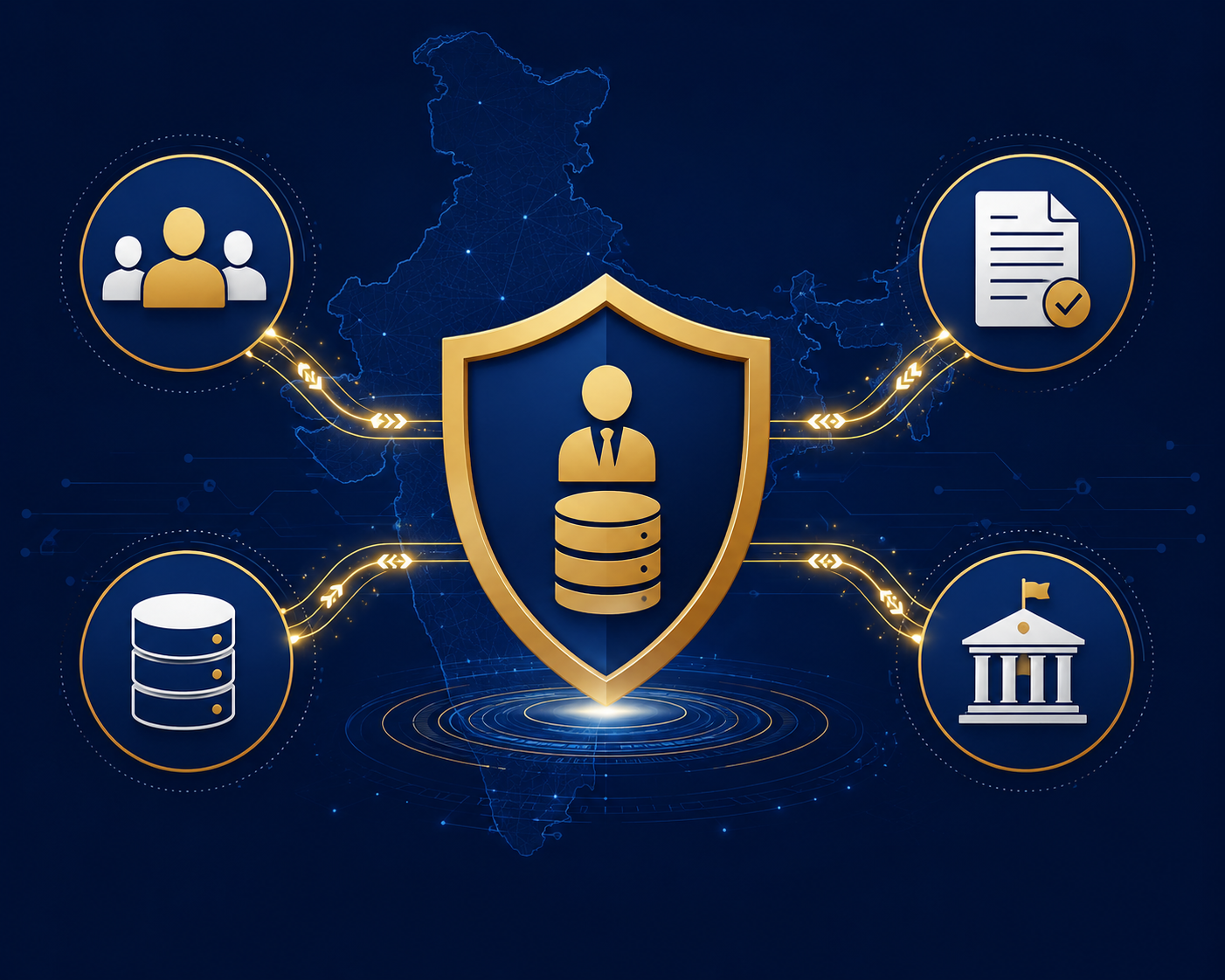
Blockchain technology is designed to be transparent, immutable, and decentralized. Instead of storing information in a single location, blockchain distributes it across multiple nodes. This eliminates a single point of failure and makes hacking exponentially more difficult. Each block is cryptographically linked to the previous one, ensuring the integrity of the data.
When you use a blockchain-based system, your identity and data can be stored securely using encryption and smart contracts. These features ensure that only you decide who can access your data and for what purpose. No third-party intermediaries can exploit it without your consent.
For example, solutions like Secure Watch by SecureDApp provide real-time blockchain threat monitoring, helping to detect potential vulnerabilities before they can be exploited. Such tools demonstrate how blockchain security has evolved beyond theory to practical, user-friendly protection.
Are You Being Tracked? Blockchain’s Role in Eliminating Surveillance
Most data tracking today happens through centralized intermediaries that aggregate information for targeted advertising or analytics. Blockchain cuts out these intermediaries by allowing peer-to-peer transactions and identity verification without exposing sensitive data.
Instead of sharing your personal information with every service provider, blockchain uses public-private key encryption. This means your identity can be verified without revealing the underlying data. You remain anonymous while still proving authenticity. With this structure, large-scale tracking and profiling become nearly impossible.
Furthermore, decentralized identity (DID) systems are gaining popularity. They enable users to create and control their own digital identities independent of corporate databases. This new model ensures data privacy and limits surveillance to a minimal level, empowering individuals to take control of their online footprint.
How Smart Contracts Protect Your Personal Information
Smart contracts are self-executing agreements that run automatically when conditions are met. They don’t require a middleman to verify terms, drastically reducing the risk of data misuse. Each transaction or interaction recorded in a smart contract is encrypted and traceable, yet the identities of the participants can remain private.
However, smart contracts must be secure to avoid exploits. Flaws in code can lead to data exposure or financial losses. This is why professional auditing tools like Solidity Shield by SecureDApp are crucial. Solidity Shield offers comprehensive smart contract audits, identifying vulnerabilities that could compromise user privacy or system integrity.
By ensuring that smart contracts are free from loopholes, blockchain developers can guarantee not only operational reliability but also end-user privacy. This balance between automation and protection is what makes blockchain superior to traditional digital systems.
Decentralization: Putting Control Back in Users’ Hands
Decentralization is the heart of blockchain privacy. Instead of trusting one company with your data, blockchain spreads trust across a network. No single entity can alter or access your information without consensus from the network. This democratized approach to data management restores autonomy to users.
With blockchain-based applications, users can choose to share only what is necessary. For instance, if you need to prove your age or identity, the system can confirm it without
revealing your birth date or full identity. This concept, known as zero-knowledge proof, ensures privacy while maintaining trust and transparency.
Platforms adopting blockchain frameworks are now being recognized for their user-centric privacy policies. The trend signals a major shift from the data monopolies of Web2 to the decentralized empowerment of Web3.
SecureDApp: Strengthening Web3 Security and Privacy
As the blockchain ecosystem grows, maintaining security and privacy becomes increasingly vital. SecureDApp stands out as a comprehensive Web3 security provider offering products that safeguard both blockchain infrastructure and smart contracts.
– Secure Watch monitors blockchain activity, detects threats, and ensures compliance in real-time.
– Solidity Shield performs deep audits of smart contracts to eliminate vulnerabilities that could expose data or funds.
These tools help blockchain projects maintain user trust and meet the highest standards of data privacy.
Challenges and the Road Ahead
While blockchain is promising, it is not without challenges. Scalability, regulation, and user adoption remain major hurdles. Privacy-focused blockchains must balance transparency with confidentiality to meet legal and ethical standards. Developers are also working to integrate blockchain privacy with artificial intelligence and cloud solutions to enhance efficiency and security.
Despite these challenges, the direction is clear: blockchain is redefining how we view and manage privacy. It empowers users, discourages unauthorized surveillance, and promotes a safer digital environment.
Conclusion
The digital world has long been dominated by data brokers and surveillance systems, but blockchain is rewriting the rules. By decentralizing control, encrypting information, and eliminating intermediaries, it offers a robust solution to modern data privacy concerns.
If you’re asking, “Are you being tracked?” the answer is yes, but it doesn’t have to stay that way. Blockchain gives you the power to reclaim ownership of your data, making the future of privacy not just a promise but a reality. For businesses and developers seeking to integrate secure blockchain solutions, leveraging tools like Secure Watch and Solidity Shield can strengthen both security and compliance. The next era of digital trust starts with blockchain and the time to protect your data is now.
Frequently Asked Questions (FAQs)
1. How does blockchain improve data privacy?
Blockchain reduces dependence on centralized databases by distributing data across a decentralized network. It also uses cryptographic techniques that help protect data integrity while giving users greater control over how their information is accessed and shared.
2. Can blockchain completely stop online tracking?
No. Blockchain can significantly reduce reliance on centralized intermediaries and improve privacy, but it cannot eliminate all forms of online tracking. Browser cookies, device fingerprinting, advertising networks, and other technologies may still collect data depending on how users interact with online services.
3. What is decentralized identity (DID)?
Decentralized Identity (DID) is a digital identity model that allows individuals to manage and share verified credentials without relying on a single centralized authority. Users decide what information to share while maintaining greater control over their personal data.
4. What are zero-knowledge proofs?
Zero-knowledge proofs (ZKPs) are cryptographic methods that allow someone to prove a statement is true without revealing the underlying information. They are increasingly used in blockchain applications to improve privacy while maintaining trust and security.
5. Which industries are using blockchain for data privacy?
Blockchain-based privacy solutions are being adopted across healthcare, financial services, supply chain management, digital identity, government services, enterprise security, and decentralized applications where protecting sensitive information is a priority.