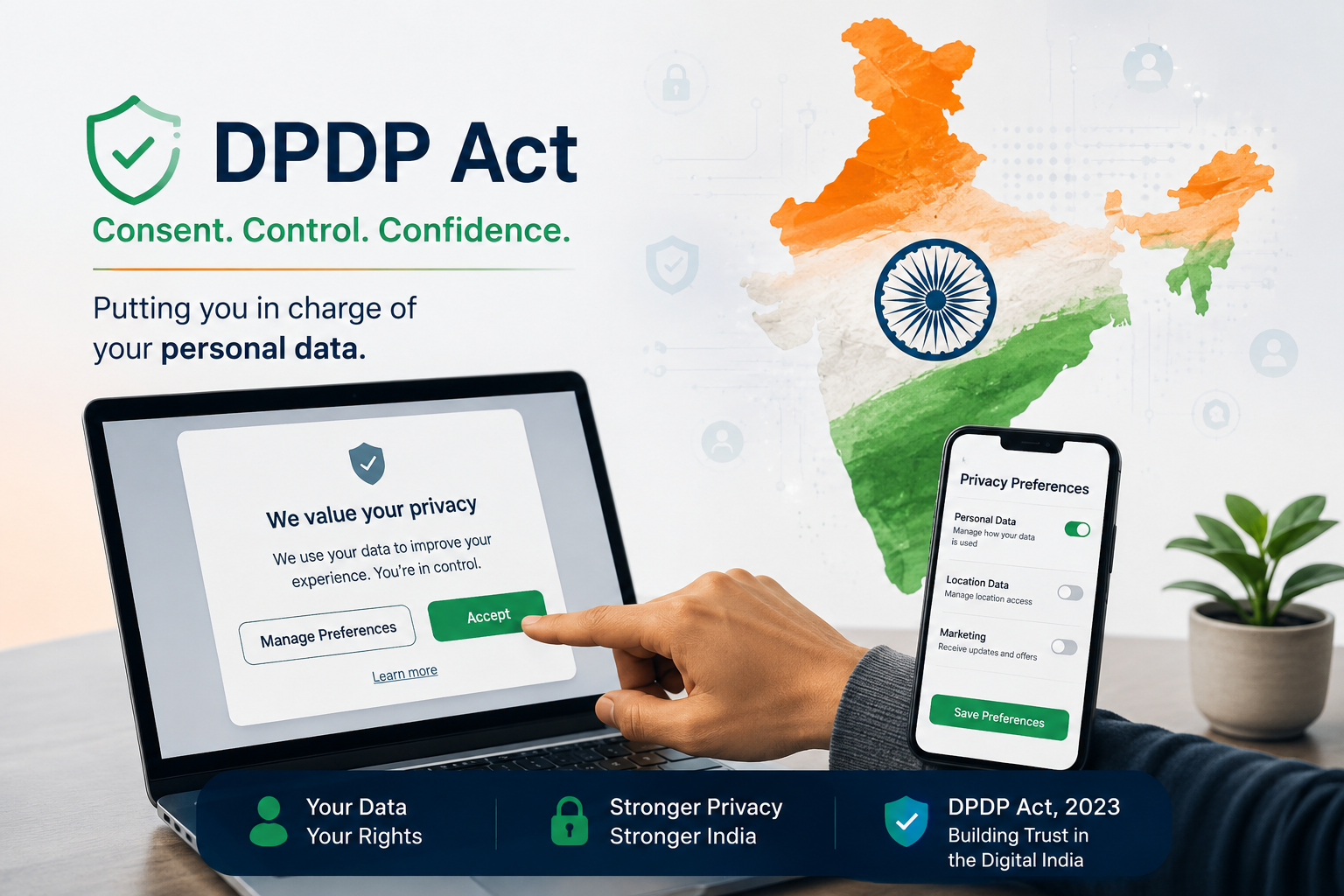
It is 5:40 on a Friday evening, and an email lands in your inbox. A customer says they never agreed to your marketing messages, and they want proof. Where do you look first? The CRM? An old sign-up form? A spreadsheet someone built two years ago? For many Indian businesses, that hunt takes days. Consent management software shrinks it to a few minutes.
That is the real promise of consent management software. It does not add one more tool to an already crowded stack. Instead, it gives the Digital Personal Data Protection Act, 2023 (DPDP Act) a proper home inside your daily operations. As a result, consent, withdrawal, rights requests and audit evidence stop living in scattered places.
In this guide, you will see exactly how that works. First, we will look at why DPDP compliance gets messy so quickly. Then we will walk through the features that remove real pain. Finally, we will cover how to choose a platform and roll it out in 90 days. Let’s get started.
Why DPDP Compliance Gets Messy So Fast
Most businesses do not struggle with the law itself. They struggle with the sprawl behind it. Personal data enters through a website, a mobile app, a call centre, a branch form and a WhatsApp chat. Then it spreads further into a CRM, a billing tool, an analytics dashboard and a support desk.
Meanwhile, every team handles consent in its own style. Marketing uses a checkbox. Sales relies on a verbal yes. Support simply assumes everything is fine. Consequently, nobody can answer one basic question: who agreed to what?

The DPDP Act makes that question urgent. Under the law, your business is a data fiduciary, and each person is a data principal. Therefore, you owe every individual a clear notice, valid consent, easy withdrawal and quick answers to their requests. Moreover, you must be able to prove all of it.
Timing adds pressure too. The DPDP Rules phase in over several months, and most substantive duties apply from May 2027. That date may look comfortable. However, mapping data, redesigning screens and wiring systems together can take most of a year. So, early movers get time to test. Late movers get a rush job.
Penalties raise the stakes as well. For example, the Act allows fines of up to ₹250 crore for failing to keep reasonable security safeguards. Likewise, failing to notify a data breach can cost up to ₹200 crore. Clearly, this is not a topic to leave to chance.
What Consent Management Software Really Changes
Think of your business as a busy airport. Passengers arrive from every direction, and each one carries a different ticket. Without a control tower, planes collide. A consent management platform plays that control tower role for personal data. It tracks every permission, every change and every restriction in one place.

More specifically, consent management software does five jobs:
- It captures consent for each separate purpose.
- It lets people review and withdraw that consent easily.
- It automates access, correction and erasure requests.
- It keeps a trustworthy record of every event.
- It shares the current consent status with your other systems.
Notice how each job maps to a legal duty. Because of that, consent management software does not create new work. Rather, consent management software organises work you already owe.
It also helps to compare this with a cookie banner. A banner shows a pop-up and saves a click. In contrast, consent management software connects that click to your whole business. So when a customer says no, the answer travels to every system that needs to hear it.
Of course, not every use of data needs consent. The Act allows certain “legitimate uses,” such as complying with a law or responding to a medical emergency. Still, most customer-facing activity, like marketing and personalisation, does rely on consent. Good consent management software helps you tell the two apart and record the basis for each.
Purpose-Wise Consent Without the Spreadsheet Chaos
Here is where the daily pain usually starts. The DPDP Act expects consent to be free, specific, informed, unconditional and unambiguous. In practice, that rules out the lazy “I agree to everything” button.
Imagine you collect an email address. You might use it for order updates, and you might also want it for promotions. Those are two purposes. Accordingly, they need two clear choices. Bundling them is the fastest way to invite a complaint.
One Purpose, Defined Once
Good consent management software lets you define each purpose once, in plain language. Then it attaches that purpose to every form, screen and flow. As a result, your teams stop rewriting consent text on every page. Consistency becomes automatic.
For instance, SecureCMS ties purposes to a data catalogue. That means each consent request clearly states which data you collect and why. Consequently, your notice and your actual processing stay in sync.
Notices That Match What People Saw
Next comes notice versioning. Your privacy notice will change over time. Therefore, consent management software stores the exact version linked to every consent. If someone challenges you in 2028, you can show the notice they saw in 2026. That detail proves the consent was informed at the time.
Language People Understand
Besides that, India speaks many languages. A notice that exists only in English may fail a large share of your users. Good consent management software stores notices in several languages and shows the right one automatically. In turn, more people can give genuinely informed consent.
Verified Consent
Finally, consider how the “yes” gets captured. SecureCMS can verify consent through an OTP on email, SMS or WhatsApp. This step adds a clear, affirmative action and a reliable link between the person and the choice. So, disputes become much easier to settle.
Making Withdrawal as Easy as Saying Yes
Now we reach the part many teams dread. The Act says that withdrawing consent must be as easy as giving it. Read that again, because it changes plenty.
If someone signs up with two taps, they should not need to send a letter to leave. They should not raise a ticket or hunt through six menus either. Yet that is exactly how many businesses operate today. Joining feels smooth. Leaving feels like an obstacle course.
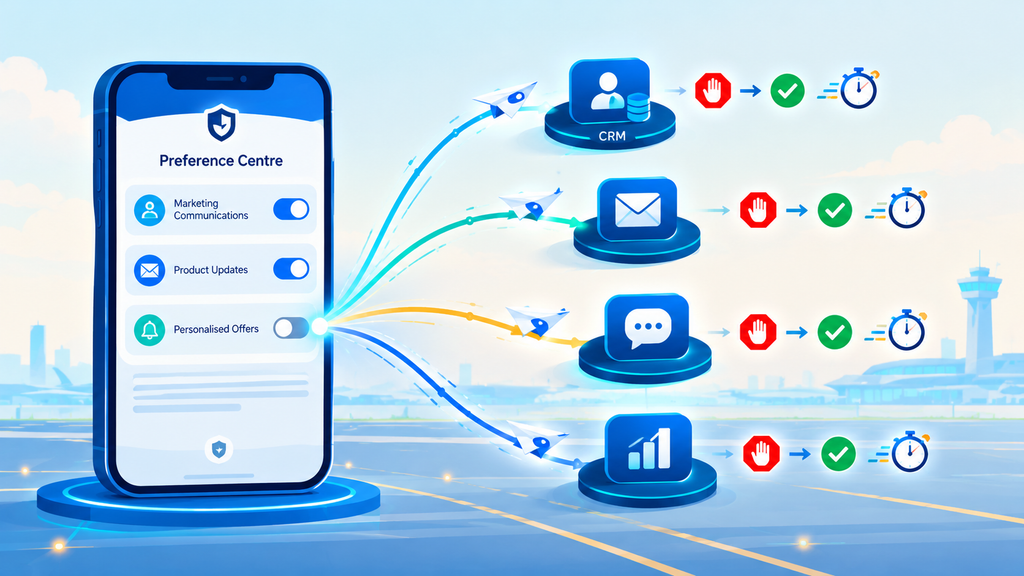
Consent management software fixes this in two steps. First, it offers a preference centre. This is a simple screen where people see every consent they have given and change any of them. Second, it makes the change real behind the scenes.
That second step matters most. A toggle that flips on screen means little if your CRM keeps emailing the person. Similarly, it means little if your analytics tool keeps tracking them. Therefore, the platform pushes each change to connected systems the moment it happens. Webhooks and real-time APIs make this possible.
Better still, the platform can enforce revocation instantly. After a withdrawal, any system that asks for permission gets a clear “no.” In addition, the event is logged with a timestamp. Later, if anyone asks whether you honoured the request, you can show the proof. Without it, you could only say you tried.
The Act also expects you to stop processing within a reasonable time after withdrawal. Moreover, your data processors must stop too. Naturally, tracking that across vendors by hand is nearly impossible. Consent management software makes it routine.
Put simply, withdrawal turns from a risky manual chore into an automatic, provable step.
Turning Rights Requests Into a Routine Workflow
Consent is only half of the story. The DPDP Act also gives people rights. They can ask what data you hold, request corrections, ask for erasure and file grievances. They can even nominate someone to act for them if they die or become unable to act.
Picture the manual version. A request lands in a shared inbox. Someone forwards it to IT. IT asks three teams where the data lives. Weeks pass, and nobody owns the outcome. Meanwhile, the deadline creeps closer.
Consent management software replaces that chaos with a tracked workflow. First, the platform logs the request. Next, it verifies the requester’s identity. Then it assigns owners and routes tasks to each system holding the data. Every step carries a deadline and a status, so nothing slips away.
Moreover, SecureCMS includes SLA tracking for these requests. Managers can see which ones are on time and which are at risk. Grievances follow the same path, with escalation to the Data Protection Officer when needed. Consequently, accountability becomes visible rather than assumed.
Verification deserves a special mention. Before you share or delete anything, you must be sure the requester is the right person. Otherwise, your rights process could become a back door for fraud. Well-built consent management software bakes identity checks in from the start.
Scale matters too. Today you may receive five requests a month. After a news story or an awareness campaign, you might receive five hundred. A manual process breaks at that point. A workflow simply keeps going.
Proof That Holds Up When Someone Asks Questions
Sooner or later, someone will ask you to prove it. It could be a regulator, a partner, a customer or your own board. At that moment, your records become your defence.
Here is the problem with ordinary logs. In a normal database, anyone with admin rights can edit a record. That could happen through a mistake, a stolen password or a bad actor. As a result, your proof rests on trust instead of evidence.
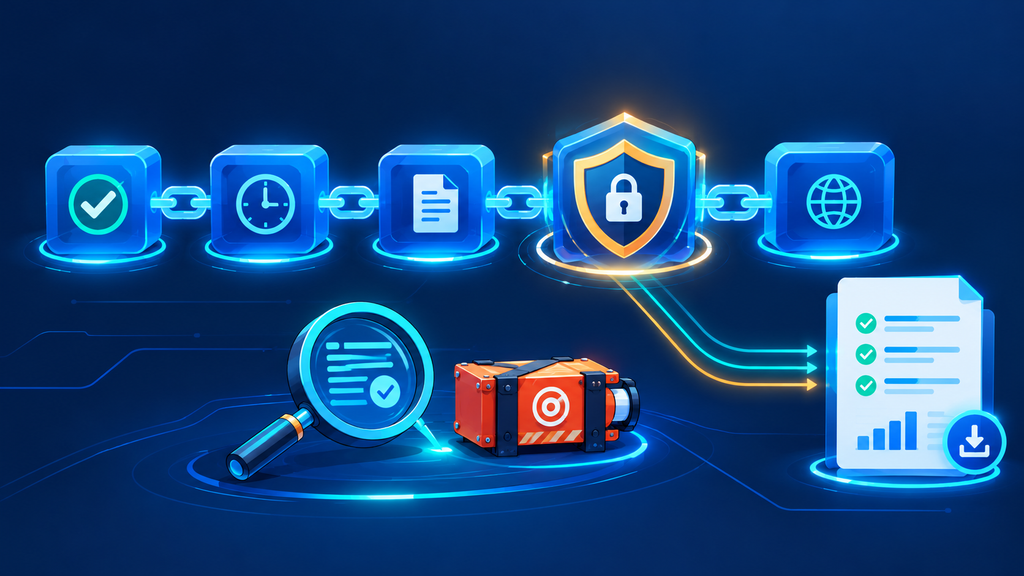
A tamper-evident audit trail changes this. Each consent event links to the one before it, so any later change becomes visible. SecureCMS uses blockchain-backed logs for this purpose. In other words, you can show that a record has not changed since the day it was captured. That is a far stronger position than saying, “we believe our database is right.”
Good consent management software records context too. For every event, you want the purpose, the time, the channel, the notice version and the language shown. Additionally, you want what happened afterwards, such as which systems stopped processing and when.
Think of the audit trail as a flight recorder for consent. You hope you never need it. Yet when something goes wrong, it tells the whole story calmly and accurately.
Exportable reports complete the picture. Instead of assembling screenshots for days, your team can export compliance packs on demand. Auditors can even get a read-only role, so they review the evidence without touching it. Therefore, audits become a conversation rather than a scramble.
Enforcing Consent at the Moment Data Is Used
Recording consent is good. Enforcing it is better. This is the insight many teams miss. A beautiful consent record does nothing if your systems ignore it.
Runtime enforcement in consent management software closes that gap. Before a system uses personal data, it asks the platform one question: is this allowed for this purpose, right now? If the answer is yes, the action proceeds. If the answer is no, the action stops.
For example, imagine a marketing tool about to send a promotional SMS. Instead of trusting its own copy of the contact list, it checks the consent ledger first. Consequently, a person who withdrew yesterday does not get a message today.
Purpose-based and field-level controls go one step further. They limit which data fields each purpose may touch. So an analytics job that only needs a city does not quietly pull phone numbers. This supports data minimisation without constant manual policing.
Of course, you cannot protect what you cannot find. That is why data discovery matters. SecureCMS offers AI-powered discovery and classification, which scans your systems for personal and sensitive data. Then it builds a data inventory mapped to your catalogue. As a result, you stop guessing where personal data hides.
Interestingly, this step often surprises teams. They find old exports, forgotten spreadsheets and test databases full of real customer records. Finding them early is far better than having an auditor find them later.
How SecureCMS Brings These Pieces Together
By now, the pattern should feel clear. Each pain point needs a feature, and those features must work as one system. This is exactly why SecureCMS by SecureDApp exists.
SecureCMS is a consent orchestration platform built around the DPDP consent lifecycle. It follows a simple flow: collect, verify, store, track, audit and revoke. Here is how that looks in practice:
- Consent collection and notices: purpose-specific choices with OTP verification and policy versioning.
- Withdrawal and modification: self-service changes that reach connected systems.
- Rights automation: request workflows, SLA tracking and grievance escalation to the DPO.
- Audit evidence: blockchain-backed logs and exportable compliance reports.
- Runtime enforcement: APIs and SDKs that check consent before data is used.
- Security and governance: role-based access, PKI, mTLS and IP whitelisting for safe integrations.
Importantly, the consent management software supports both redirect and embedded consent flows. So you can match your product design instead of bending it. It also supports multi-tenant setups, which suits groups that run several apps under one roof. In addition, it connects with enterprise systems, including core banking layers. Regulated sectors benefit most here.
That said, no consent management software makes you compliant by itself. Instead, it makes compliance practical. You still need clear policies, trained people and honest data practices. Think of SecureCMS as the machinery that carries those decisions out reliably.
A Quick Illustration
Consider a mid-sized lender with a website, a mobile app and a branch network. Before consent management software, consent lives in loan forms, app screens and call recordings. A customer withdraws marketing consent in the app. Yet branch staff still call them the following week. Complaints follow.
After adopting consent management software, the lender defines its purposes once. Branch tablets, the app and the website all read from the same ledger. A withdrawal in the app reaches the call-centre list within moments. Meanwhile, every event is logged. This scenario is hypothetical, yet the pattern is common across industries.
How to Choose Consent Management Software and Roll It Out Without Stress
Every business has different needs, so ask direct questions before you buy.
First, is the consent management software built around DPDP, or is it a foreign template with a new label? The answer shows up in how it treats withdrawal and purpose limits. Second, can the vendor prove that records stay unaltered? Ask for a demo, not a promise.
Third, how does it connect to your systems? Look for APIs, SDKs and webhooks. Fourth, does it automate rights requests from start to finish? If requests still end in an inbox, you have only moved the problem.
Fifth, does it support Indian languages and your sector’s flows? Finally, will it scale at peak traffic? Test it instead of trusting a slide.
Three Mistakes to Avoid
Even well-prepared teams slip up. First, they treat consent as a marketing task. In reality, legal, engineering, product and security all touch it. Second, they keep local copies of consent in several tools. Soon, five systems disagree. Third, they skip failure handling. Webhooks fail and APIs time out, so you need retries and alerts.
A 90-Day Plan
Once you choose a platform, follow a simple timeline.
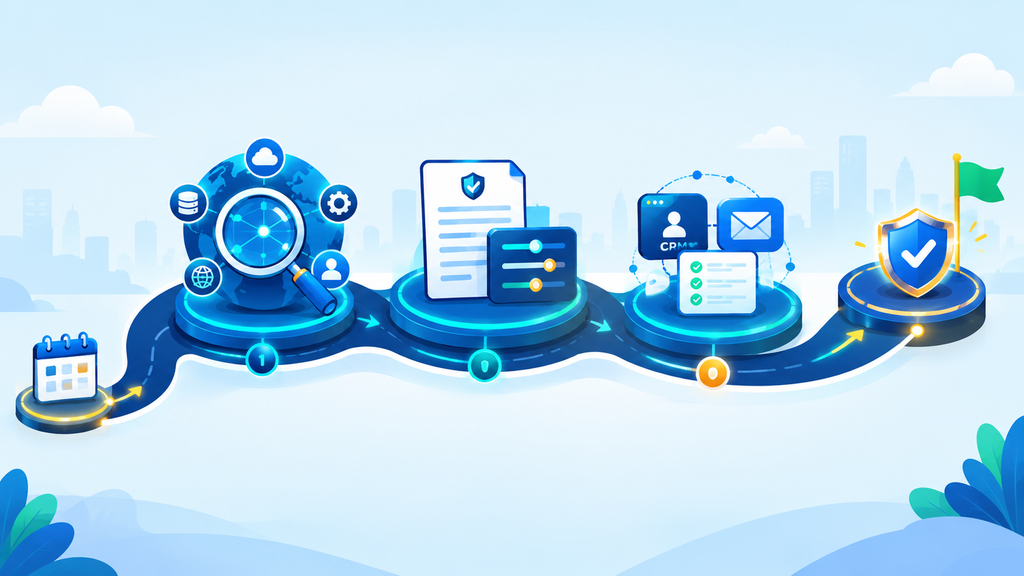
Days 1 to 30: Map every system that collects or stores personal data. Note the purpose, the owner and the processors. Then rank systems by risk.
Days 31 to 60: Agree on a clear list of purposes. Write plain notices and configure the platform. Connect your website and mobile app first, since they capture the most consent.
Days 61 to 90: Link your CRM, email tools and support desk. Then run a full withdrawal test, a mock rights request and a mock breach drill. Fix any gaps while the stakes are low.
Afterwards, review the setup twice a year. The rules and the Consent Manager framework are still evolving, so your configuration needs regular care. For a deeper technical walkthrough, read our guide to consent management platform integration. Likewise, if your business runs apps, see our guide to DPDP compliance for mobile apps.
Conclusion: Simplicity Is the Real Benefit
Ultimately, DPDP compliance is not hard because the law is mysterious. It is hard because the work is scattered across people, tools and spreadsheets. Consent management software pulls that work into one calm, repeatable system. It captures consent properly, makes withdrawal easy, automates rights requests, and keeps proof you can defend.
Moreover, it gives your team something priceless: confidence. When that Friday email arrives, you will know exactly where to look. With most obligations applying from May 2027, the smartest time to start is now.
If you want a platform built around the DPDP consent lifecycle, SecureCMS is ready to help. Talk to the SecureCMS team and see how simple consent can become for your business.
Frequently Asked Questions
1. What is consent management software?
It is a system that captures, records, and manages the consent people give to a business. It also handles withdrawal, rights requests, and audit records. As a result, you can show what each person agreed to and when.
2. Is consent management software mandatory under the DPDP Act?
The law does not name a specific tool. However, it does require valid consent, easy withdrawal, rights fulfilment and the ability to show compliance. Therefore, most businesses find dedicated consent management software the practical choice.
3. How does consent management software simplify DPDP compliance?
It replaces scattered checkboxes and spreadsheets with one organised system. Specifically, it automates purpose-wise consent, withdrawal, rights workflows, and audit logs. Consequently, your team spends less time on manual tracking.
4. Can small businesses use consent management software?
Yes. The DPDP Act applies regardless of company size. So, a small business can start with purpose-wise consent and withdrawal, then add more features as its data grows.
5. What is purpose-wise consent?
It means asking permission separately for each reason you use data. For example, order updates and promotions need two choices. This approach keeps consent specific and easy to defend.