
Introduction
The year 2025 is proving to be a defining moment for blockchain technology. Once seen as merely the foundation for cryptocurrencies, blockchain has now evolved into a transformative force driving innovation across multiple industries. From healthcare to supply chain, finance to governance, its impact is deeper and more diverse than ever. In this blog, we’ll explore 5 mind-blowing real-world use cases of blockchain in 2025 that are changing how we live, work, and connect digitally.
1. Decentralized Finance (DeFi) Redefining Global Banking
DeFi continues to lead blockchain innovation by removing intermediaries and providing open access to financial systems. In 2025, decentralized lending, staking, and yield farming platforms have reached unprecedented scale, offering banking services to millions without a traditional bank account. Blockchain-based DeFi platforms enable borderless transactions and micro-investments with enhanced transparency and security. Smart contracts ensure automatic execution, removing the need for third-party involvement. However, with increasing adoption comes greater risk, making smart contract auditing essential for maintaining security and trust.
This is where tools like Solidity Shield by SecureDApp play a vital role. Solidity Shield provides automated smart contract audits, identifying vulnerabilities before they can be exploited, helping DeFi platforms maintain credibility and protect users’ funds. For those interested in learning more about the future of DeFi development and protection strategies, you can explore insights from SecureDApp, a trusted name in blockchain security solutions.
2. Blockchain in Healthcare: Safeguarding Patient Data
In 2025, healthcare systems worldwide are leveraging blockchain for secure patient data management. Hospitals and clinics use blockchain networks to store and share medical records securely between authorized entities. Patients now have full control over their health information while maintaining privacy and preventing unauthorized access.
Through blockchain’s immutable ledger, any modification to medical data is recorded transparently, ensuring trust and accountability. Pharmaceutical companies are also tracking the production and distribution of drugs via blockchain, minimizing counterfeit medication in the global market. Healthcare providers rely on real-time monitoring tools like Secure Watch to detect threats and prevent data manipulation. With its continuous monitoring capabilities, Secure Watch has become a cornerstone for ensuring compliance and protecting healthcare blockchain infrastructures from cyberattacks.
3. Supply Chain Transparency and Traceability
One of the most practical and widely adopted blockchain applications in 2025 is in the supply chain sector. Consumers now demand transparency about the origin and journey of the products they purchase, and blockchain delivers exactly that. Every stage of a product’s life cycle from sourcing raw materials to final delivery is recorded on a blockchain network.
Major global companies are using blockchain to verify product authenticity, prevent counterfeiting, and ensure ethical sourcing. For instance, food and beverage industries track perishable goods in real time, minimizing waste and ensuring freshness. Blockchain also allows for rapid recalls when product contamination is detected. The decentralized architecture of blockchain ensures that no single entity can manipulate data, enhancing credibility and consumer confidence. By integrating blockchain security solutions like those offered by SecureDApp, organizations can maintain uninterrupted operations even under cyber threat scenarios.
4. Government and Public Sector: Transparent Digital Governance
Governments worldwide are embracing blockchain to build transparency and efficiency in public administration. From voting systems to property registries, blockchain is revolutionizing how data is recorded and accessed. In 2025, digital governance platforms built on blockchain are reducing bureaucracy, corruption, and inefficiencies in service delivery. For example, digital voting systems now use blockchain to ensure votes are securely cast, counted, and verified, eliminating tampering risks. Land ownership records are stored on blockchain networks, making them tamper-proof and easily verifiable.
These systems require strong security monitoring frameworks, and blockchain-native security tools like Secure Watch provide real-time insights into potential threats, ensuring the reliability of critical public infrastructures. This increased transparency not only builds citizen trust but also fosters greater civic engagement. For a deeper understanding of how blockchain strengthens governance, you can read more on industry-focused discussions at CoinTelegraph or Forbes Blockchain.
5. NFTs and Digital Identity: Beyond Art and Collectibles
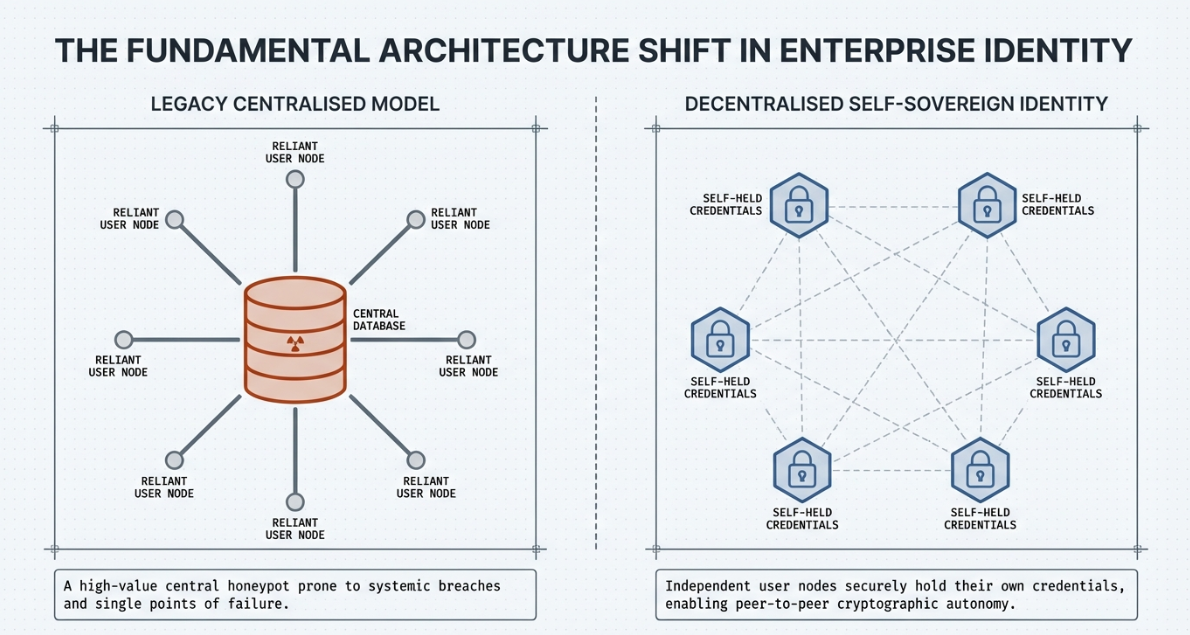
In 2025, Non-Fungible Tokens (NFTs) have moved far beyond art and collectibles. They are now the foundation of digital identity management, ticketing systems, and intellectual property verification. Blockchain ensures the authenticity and ownership of every digital asset, enabling creators and businesses to protect and monetize their work. NFTs tied to identity credentials allow users to securely prove their identity without sharing sensitive personal information. This shift towards decentralized identity helps combat identity theft and fraud, especially in online transactions.
Businesses are using smart contract technology to automate royalties and licensing agreements, ensuring creators are fairly compensated. As the NFT ecosystem expands, auditing tools like Solidity Shield become indispensable for verifying contract security and safeguarding transactions. NFT marketplaces are also integrating AI-driven fraud detection systems alongside blockchain layers to strengthen user trust and reduce malicious activity.
The Road Ahead: Blockchain’s Future in 2025 and Beyond
The rise of blockchain technology in 2025 reflects more than innovation it represents a shift toward trustless systems where transparency, decentralization, and security coexist. As industries continue to evolve, blockchain will play a central role in redefining digital ownership, governance, and connectivity.
Security remains the foundation of this transformation. Without robust protection, the promise of decentralization could easily be undermined by vulnerabilities. Platforms like SecureDApp are leading this defense by offering tailored solutions such as Secure Watch for blockchain monitoring and Solidity Shield for smart contract auditing. Their continuous efforts in blockchain security ensure that innovation is backed by reliability. Whether you’re a business adopting blockchain or a developer exploring decentralized solutions, the key to success lies in understanding both the technology and the security that supports it. To explore advanced blockchain security strategies, visit SecureDApp’s official site and stay ahead in the decentralized revolution.
Conclusion
Blockchain has grown far beyond digital currencies it’s shaping the digital economy and empowering users globally. From DeFi platforms to healthcare systems, from transparent governance to NFT-based identities, the potential of blockchain is limitless. What makes 2025 truly exceptional is not just how blockchain is used, but how securely it is implemented to build a safer, smarter, and more transparent digital future.